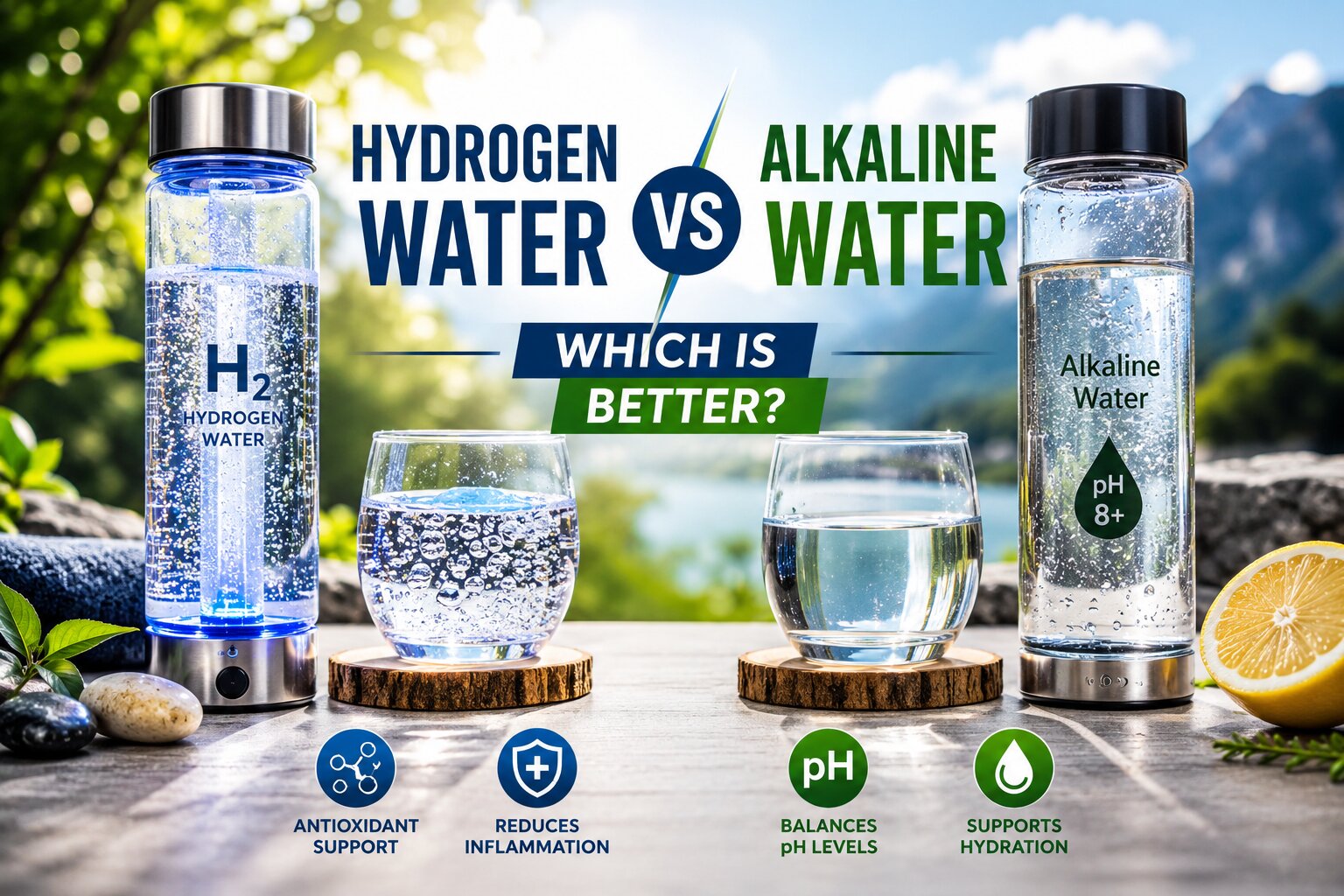
Two types of water are dominating wellness conversations in India and globally right now: hydrogen water and alkaline water. Both are marketed as upgrades to regular drinking water. Both claim health benefits beyond ordinary hydration. And both have genuine science behind them — though in very different amounts and for very different reasons.
If you have come across hydrogen water bottles, ioniser machines, or alkaline purifiers and wondered what the actual difference is — this guide breaks it down clearly. No marketing fluff, no exaggerated claims. Just the science, the practical differences, and an honest answer to which one makes more sense for most Indian households in 2026.
Experience iLiv Superior Water
Antioxidant alkaline water purifier — engineered for purity, designed for life.
Hydrogen water has a stronger and growing scientific research base. Alkaline water has well-established practical benefits — particularly for mineral replenishment, acid reflux relief, and taste. For most Indian homes, a quality alkaline water purifier delivers better daily value than a hydrogen water device. Here is why.
iLiv Water Purifiers
Find Your Perfect Purifier
What Is Hydrogen Water?
Regular water is H₂O — two hydrogen atoms bound to one oxygen atom. The hydrogen in that formula is locked in a molecular bond and has no therapeutic activity on its own.
Hydrogen water is different. It is regular water that has been infused with additional dissolved molecular hydrogen gas (H₂) — free-floating hydrogen molecules that are not attached to oxygen. These free hydrogen molecules are extremely small, which allows them to penetrate cell membranes easily and reach tissues that most antioxidants cannot.
The key property researchers are studying is hydrogen’s ability to act as a selective antioxidant. Unlike many antioxidants, molecular hydrogen appears to specifically neutralise the hydroxyl radical — one of the most destructive free radicals in the human body — without interfering with beneficial reactive oxygen species that cells use for immune signalling and normal function. This selectivity is what makes hydrogen water scientifically interesting beyond general antioxidant marketing claims.
How Hydrogen Water Is Made
There are two main methods. The first is electrolysis — passing an electrical current through water to split H₂O molecules, releasing hydrogen gas that dissolves back into the water. The second is dissolving pressurised hydrogen gas directly into water (common in bottled hydrogen water products). Most home devices use electrolysis with titanium or platinum-coated plates.
An important practical note: dissolved molecular hydrogen dissipates quickly. Hydrogen water loses its H₂ concentration significantly within 30–60 minutes of production if stored in an open container. This is why hydrogen water devices and special sealed bottles are necessary — you cannot simply let tap water sit and expect to get hydrogen-enriched water.
| pH Level | Neutral — approximately 7 (not alkaline) |
| Active Compound | Dissolved molecular hydrogen (H₂) |
| Mineral Content | No change — same as source water |
| Mechanism | Selective antioxidant, free radical neutralisation |
| Production Method | Electrolysis or hydrogen gas infusion |
| Shelf Life After Production | 30–60 minutes in open container |
| Device Cost in India | Rs. 5,000–Rs. 40,000+ for quality devices |
What Is Alkaline Water?
Alkaline water is water with a pH above 7 — typically between 8 and 9.5. The pH scale runs from 0 to 14, with 7 being neutral. Regular tap water sits around 7, and standard RO-purified water is slightly acidic at 6.5–7 because the purification process removes the dissolved minerals that contribute to alkalinity.
Alkaline water achieves its higher pH in one of three ways: by retaining naturally occurring minerals (calcium, magnesium, bicarbonates) from the source water, by adding these minerals back after purification through a mineral cartridge, or by using electrolysis to separate water into alkaline and acidic streams. In quality home purifiers like those in the iLiv range, a bio-ceramic or mineral cartridge stage adds calcium, magnesium, and other trace minerals to raise pH naturally after RO purification.
The result is water that is not just safe but genuinely mineral-rich — and considerably closer to what natural spring water contains than the demineralised output of a standard RO system.
| pH Level | 8.0–9.5 (alkaline) |
| Active Compound | Dissolved alkaline minerals — calcium, magnesium, bicarbonates |
| Mineral Content | Higher than standard RO water |
| Mechanism | pH buffering, mineral supplementation, acid neutralisation |
| Production Method | Mineral cartridge, electrolysis, or natural spring source |
| Shelf Life After Production | Stable — pH and minerals remain consistent in sealed tank |
| Device Cost in India | Rs. 8,000–Rs. 1,75,000 for home purifiers |
Hydrogen Water vs Alkaline Water: Key Differences at a Glance
| Factor | Hydrogen Water | Alkaline Water |
|---|---|---|
| pH | Neutral (~7) | Alkaline (8.0–9.5) |
| What it adds to water | Dissolved molecular hydrogen gas (H₂) | Minerals: calcium, magnesium, bicarbonates |
| Primary mechanism | Selective antioxidant activity | pH buffering, mineral replenishment |
| Research volume | 1,000+ peer-reviewed studies | Growing but thinner evidence base |
| Best studied benefit | Oxidative stress reduction, exercise recovery | Acid reflux relief, bone mineral density |
| Purification function | None — adds H₂ only, no contaminant removal | Full purification when combined with RO/UV/UF |
| Practical shelf life | Short — drink within 30–60 minutes | Stable — stored in purifier tank |
| Suitable for Indian water sources | Only with separate purification system | Yes — built into alkaline purifier |
| Minerals addressed | No — source water minerals unchanged | Yes — restores calcium, magnesium |
| Cost of entry in India | Rs. 5,000+ for device (plus purifier separately) | Rs. 8,000–Rs. 1,75,000 all-in-one |
Health Benefits of Hydrogen Water: What the Research Shows
Hydrogen water has the more robust research portfolio of the two. Over 1,000 peer-reviewed studies have investigated molecular hydrogen across more than 170 disease models and health conditions. Most of these studies are still preliminary — larger, longer-term trials are needed before definitive health claims can be made — but the volume and consistency of early findings is notable.
Oxidative Stress Reduction
This is hydrogen water’s strongest claim and its most researched benefit. A 2020 review published in the journal Antioxidants found that molecular hydrogen demonstrates consistent potential as a therapeutic antioxidant, particularly relevant to conditions driven by oxidative stress. The mechanism is specific: H₂ selectively neutralises the hydroxyl radical and peroxynitrite — two of the most reactive and damaging free radicals — without interfering with hydrogen peroxide and other reactive oxygen species that cells use for normal immune function. This selectivity is what separates molecular hydrogen from general antioxidants like Vitamin C, which are non-selective.
Exercise Recovery and Athletic Performance
Multiple randomised controlled trials have found that hydrogen water consumption before and after exercise significantly reduced markers of oxidative stress and muscle fatigue compared to placebo water. A study in Frontiers in Physiology found improvements in endurance and reduced fatigue. For athletes and people who exercise regularly, this is one of the most practically well-supported reasons to consider hydrogen water specifically.
Anti-Inflammatory Properties
Research published in Nature Scientific Reports found that hydrogen-rich water reduced inflammatory response markers in study subjects. This has potential relevance for conditions including metabolic syndrome, joint inflammation, and post-exercise soreness.
Metabolic and Cardiovascular Markers
A study published in Medical Gas Research found that drinking molecular hydrogen-rich water reduced oxidative stress markers in patients with metabolic syndrome after four weeks. Other studies have reported modest improvements in total cholesterol levels and cardiovascular markers in specific patient groups.
Mood and Cognitive Effects
Emerging research suggests hydrogen water may have positive effects on mood and anxiety levels, possibly through its effects on oxidative stress in brain tissue. These findings are early-stage and should not be overstated.
Most hydrogen water studies are small, short-term, and conducted in specific patient populations. The research is promising, not conclusive. The scientific community broadly agrees that hydrogen water merits further investigation — not that it is a proven therapeutic intervention.
Health Benefits of Alkaline Water: What the Research Shows
Alkaline water’s evidence base is smaller than hydrogen water’s but contains some genuinely well-supported findings — particularly around acid reflux and bone health. The important distinction is between the modest, well-documented benefits and the larger claims (cancer prevention, anti-aging) that are not supported by evidence and should be ignored entirely.
Acid Reflux and Digestive Comfort
This is alkaline water’s most well-documented benefit. A 2017 study found that water with pH 8.8 effectively deactivated pepsin — the primary enzyme behind acid reflux symptoms — at laboratory conditions. A separate study found that alkaline water combined with a Mediterranean-style diet was as effective as leading acid reflux medications for managing chronic acid reflux. For the significant number of Indians dealing with acidity and heartburn, this is a meaningful and practical benefit.
Bone Mineral Density
A 2021 study examined alkaline water’s effects on bone density in post-menopausal women. Women who drank alkaline water alongside their prescribed calcium, Vitamin D, and osteoporosis medications showed greater improvements in spinal bone density than those who did not drink alkaline water. The mineral content of alkaline water — particularly calcium and magnesium — is the likely mechanism here.
Hydration During and After Exercise
A study published in the Journal of the International Society of Sports Nutrition found that alkaline water improved whole-blood viscosity more effectively than standard water after exercise, suggesting more efficient hydration at the vascular level. The effect was modest, but consistent across subjects.
Mineral Replenishment
This is arguably alkaline water’s most practical and underappreciated benefit for Indian households specifically. Standard RO purification removes not just contaminants but also calcium, magnesium, and potassium — minerals the body needs. The resulting water is safe but nutritionally empty. Alkaline water — whether through a mineral cartridge or Crystal Growth Technology as in iLiv purifiers — restores these minerals. For families drinking primarily RO-purified water, this mineral deficit adds up over months and years.
Taste
This is the most consistently reported and least contested benefit. Mineralised alkaline water tastes noticeably smoother and more pleasant than demineralised RO water, which has a flat, slightly acidic taste. For a product you drink multiple litres of every day, this matters more than it might seem.
Claims that alkaline water prevents cancer, reverses aging, or corrects chronic disease are not supported by scientific evidence. The human body maintains blood pH between 7.35 and 7.45 through sophisticated buffering systems involving the kidneys and lungs — systems that operate independently of what you drink. No peer-reviewed research has demonstrated that drinking alkaline water changes blood pH in healthy individuals.
Where They Overlap: Alkaline Water Ionisers
It is worth noting that some high-end water ionisers — machines that use electrolysis to raise water pH — also produce dissolved molecular hydrogen as a byproduct of the electrolysis process. This means certain alkaline water ionisers may deliver both alkaline pH and some H₂ concentration simultaneously.
However, this does not mean all alkaline water contains molecular hydrogen. Standard mineral cartridge-based alkaline purifiers (which cover most of the Indian home market, including the iLiv range) do not produce H₂. They raise pH through mineral dissolution, not electrolysis.
Additionally, even in ionisers that do produce H₂, the concentration dissipates quickly if the water is stored in a tank — which most home purifiers use. To benefit from dissolved H₂, you would need to consume the water immediately after production.
Dedicated hydrogen water devices and alkaline purifiers remain effectively two separate product categories serving different primary purposes.
Which Is More Practical for Indian Homes?
This is where the conversation shifts from science to real-world use — and this is where alkaline water purifiers have a clear practical advantage for most Indian households.
The Purification Problem
India has a genuine water quality crisis. High TDS levels, heavy metal contamination, bacterial load, and inconsistent municipal supply make purification a non-negotiable requirement for most households. A hydrogen water device adds H₂ to your water — it does not purify it. You would need a separate RO + UV + UF purifier for safe drinking water, and then a hydrogen device on top of that.
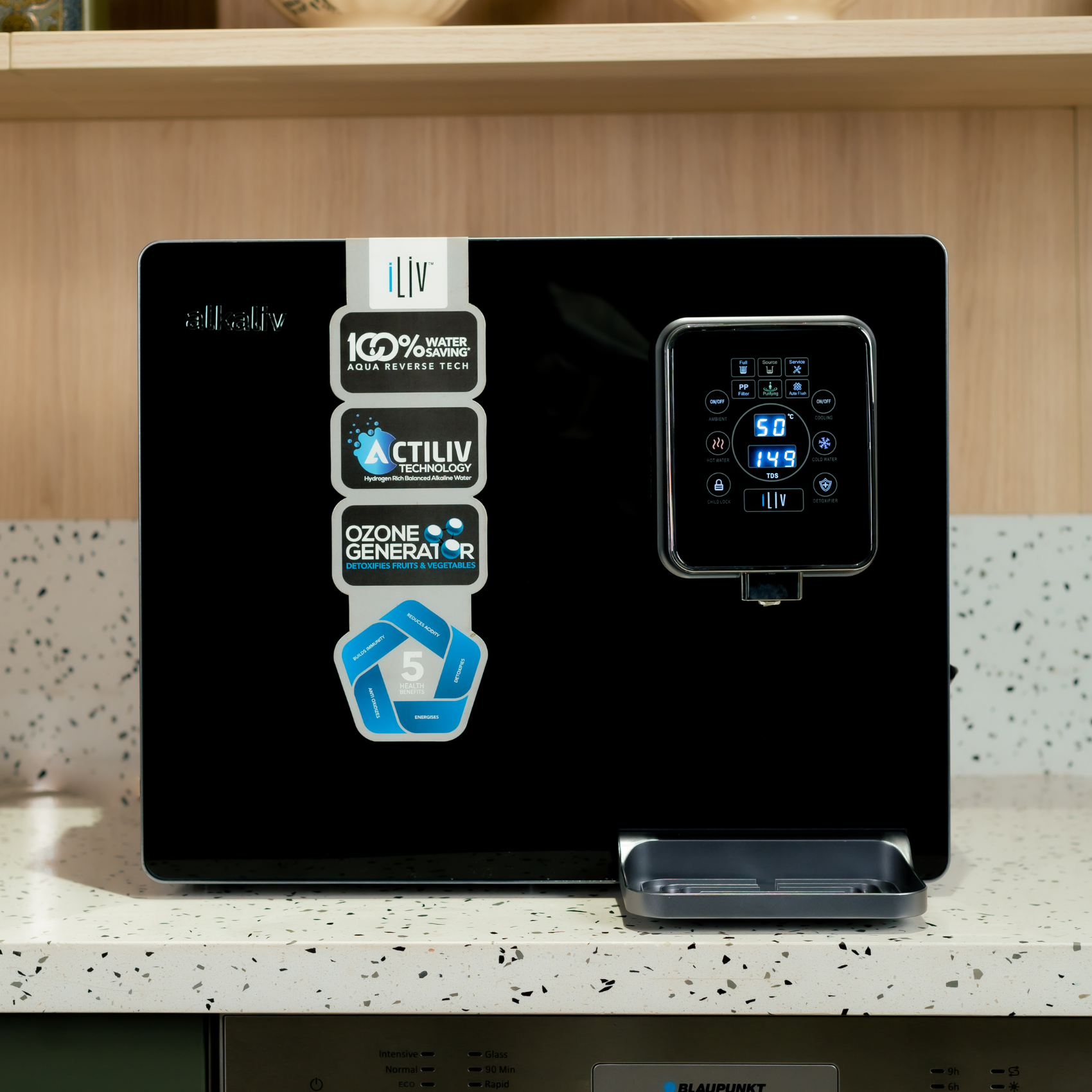
A quality alkaline water purifier like the iLiv Grande combines full RO + UV + UF purification with alkaline mineral enhancement in a single machine. One device handles everything — safety, mineral restoration, and pH enhancement. That is a significantly more practical and cost-effective solution for the average Indian household.
Cost of Entry
A quality hydrogen water device in India starts at around Rs. 5,000–8,000 for basic models and Rs. 15,000–40,000 for quality electrolysis-based machines. Add this to the Rs. 8,000–15,000 you would spend on a separate water purifier, and the total investment exceeds what a premium alkaline purifier costs — without delivering purification.
Convenience and Daily Use
Hydrogen water needs to be consumed within 30–60 minutes of production for meaningful H₂ concentration. This means generating water on demand — impractical for most Indian family kitchens where water is drawn at all hours. An alkaline water purifier stores mineralised water in a tank, ready whenever it is needed.
Who Should Consider Hydrogen Water
Hydrogen water makes most sense as an add-on for specific use cases — particularly athletes and fitness-focused individuals who want targeted pre- and post-workout antioxidant support. For this audience, a portable hydrogen water bottle (Rs. 3,000–8,000) used alongside an existing home purifier is a reasonable approach. It is not a replacement for an alkaline purifier — it serves a different, more specific purpose.
| Your Situation | Better Choice | Why |
|---|---|---|
| Average Indian family, daily drinking water | Alkaline water purifier | Purification + minerals + pH in one device, practical storage |
| Athlete / gym-goer wanting antioxidant support | Hydrogen water bottle (add-on) | H₂ for oxidative stress + recovery, portable use |
| Acid reflux or digestive issues | Alkaline water purifier | Well-documented pepsin deactivation at pH 8.8+ |
| Bone health concern (post-menopausal, elderly) | Alkaline water purifier | Calcium and magnesium mineral replenishment |
| Premium wellness enthusiast, already have a purifier | Both | Use alkaline purifier for daily drinking, hydrogen bottle for workout |
| High-TDS borewell water (Delhi, Rajasthan, Punjab) | Alkaline water purifier with RO | Hydrogen devices cannot handle high TDS — need RO first |
Frequently Asked Questions
Is hydrogen water the same as alkaline water?
No. Hydrogen water has a neutral pH of around 7 and contains dissolved molecular hydrogen gas. Alkaline water has a pH of 8–9.5 and contains dissolved minerals. They work through completely different mechanisms and serve different primary purposes. Some ionisers produce both, but they are distinct product categories.
Which has more scientific evidence — hydrogen water or alkaline water?
Hydrogen water has a significantly larger research base, with over 1,000 peer-reviewed studies examining molecular hydrogen across various health contexts. Alkaline water has fewer but still meaningful studies, particularly around acid reflux and bone mineral density. Neither should be considered clinically proven for most health claims — the research is promising and ongoing.
Can alkaline water change my blood pH?
No. The human body maintains blood pH between 7.35 and 7.45 through sophisticated buffering systems in the kidneys and lungs. These systems operate independently of what you drink. Alkaline water does not change blood pH in healthy individuals — and the claims that it does are not supported by evidence. Its practical benefits come from mineral replenishment, pH buffering in the digestive system, and improved taste.
Does alkaline water help with acidity and heartburn?
Yes — this is one of alkaline water’s best-documented benefits. Research shows that water with pH 8.8 can deactivate pepsin, the enzyme responsible for acid reflux symptoms. People with chronic acidity consistently report improvement when switching to alkaline water. A 2017 study found that alkaline water combined with dietary changes was as effective as leading antacid medications for managing acid reflux.
Does the iLiv Grande produce hydrogen water?
No. The iLiv Grande uses mineral cartridge technology and Crystal Growth Technology to produce alkaline water with pH 7.5–9.5. It does not use electrolysis and does not produce molecular hydrogen. It is an alkaline water purifier, not a hydrogen water device — and is designed for whole-family daily use across all water sources.
Can I use a hydrogen water bottle with an iLiv purifier?
Yes — and this is the ideal combination for wellness-focused households. Use the iLiv purifier for your daily family drinking water. If you exercise regularly or want targeted antioxidant support, use a portable hydrogen water bottle for pre- and post-workout hydration. The two products serve different purposes and complement each other well.
Is hydrogen water safe to drink every day?
Current research indicates that hydrogen water is safe for daily consumption in healthy adults. It has a neutral pH and adds no minerals or compounds other than dissolved H₂ gas, which is naturally present in very small amounts in the human body already. As always, people with specific medical conditions should consult their doctor before making changes to their hydration routine.
The Verdict: Which Is Better?
Both hydrogen water and alkaline water have legitimate science behind them. Neither is a miracle product. Neither prevents disease or reverses aging — and any brand claiming otherwise should be viewed with scepticism.
For most Indian households, alkaline water is the more practical and immediately valuable choice. It solves a real problem that affects every home — the mineral deficit and flat taste of standard RO water — while delivering documented benefits for digestive health, hydration, and bone minerals. A quality alkaline purifier like the iLiv Grande handles purification and mineral enhancement in a single machine, which is what most families need.
Hydrogen water’s strongest case is for athletes and health enthusiasts who want targeted antioxidant and recovery support. The science for oxidative stress reduction and exercise recovery is the most robust area of H₂ research. For this use case, a portable hydrogen water bottle used alongside an existing purifier is a practical addition — not a replacement.
If you are choosing between setting up a home water system from scratch, an alkaline water purifier wins on every practical dimension: purification, mineral content, pH balance, convenience, shelf life, and cost-effectiveness for a family. Hydrogen water is a compelling wellness supplement — but it is not a home water solution.
Experience Alkaline Water at Home with iLiv Grande
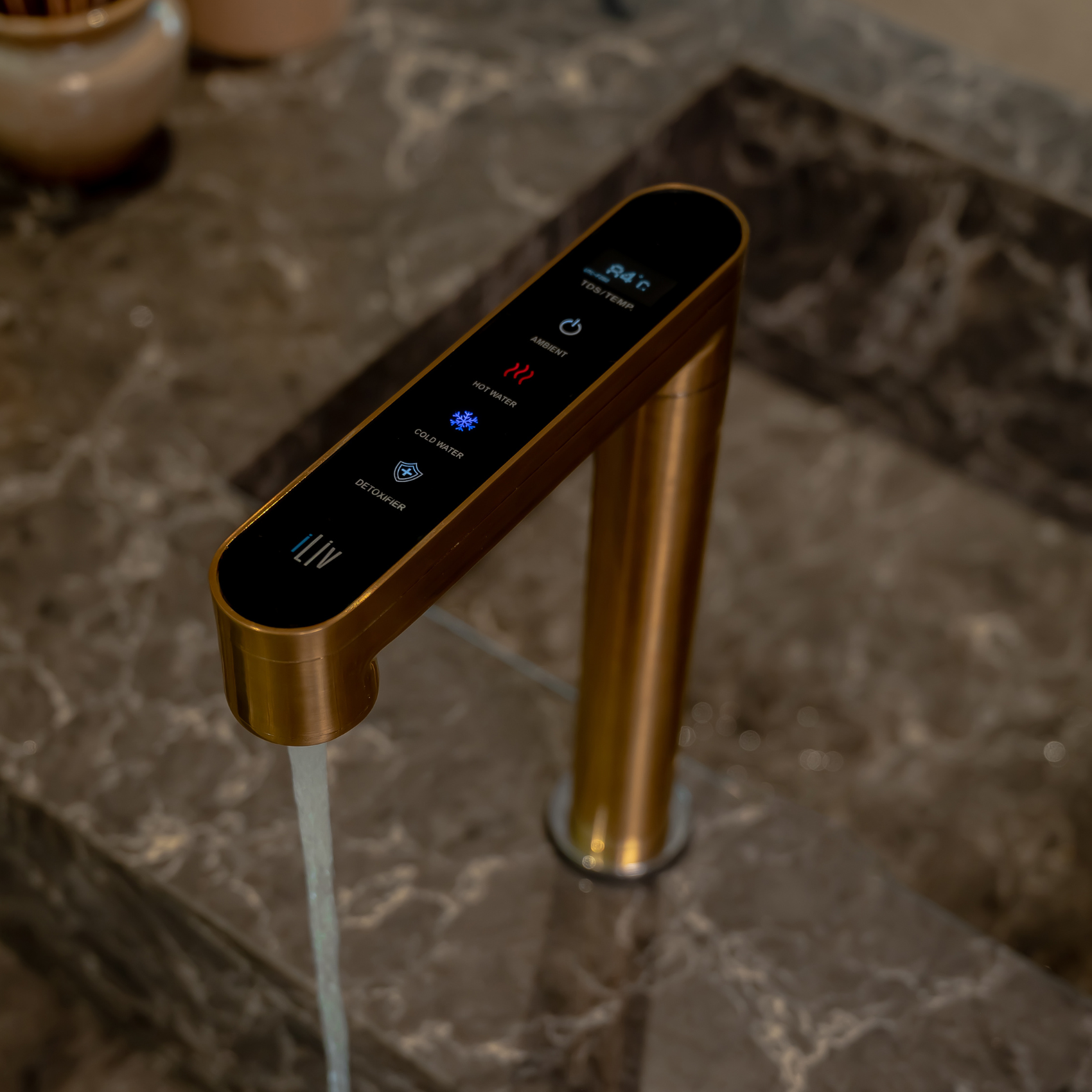
RO + UV + UF + Copper + Alkaline — zero water wastage, instant hot and cold dispensing, built-in ozone generator. The most complete alkaline water purifier in India. Book a free in-home demo with no commitment.